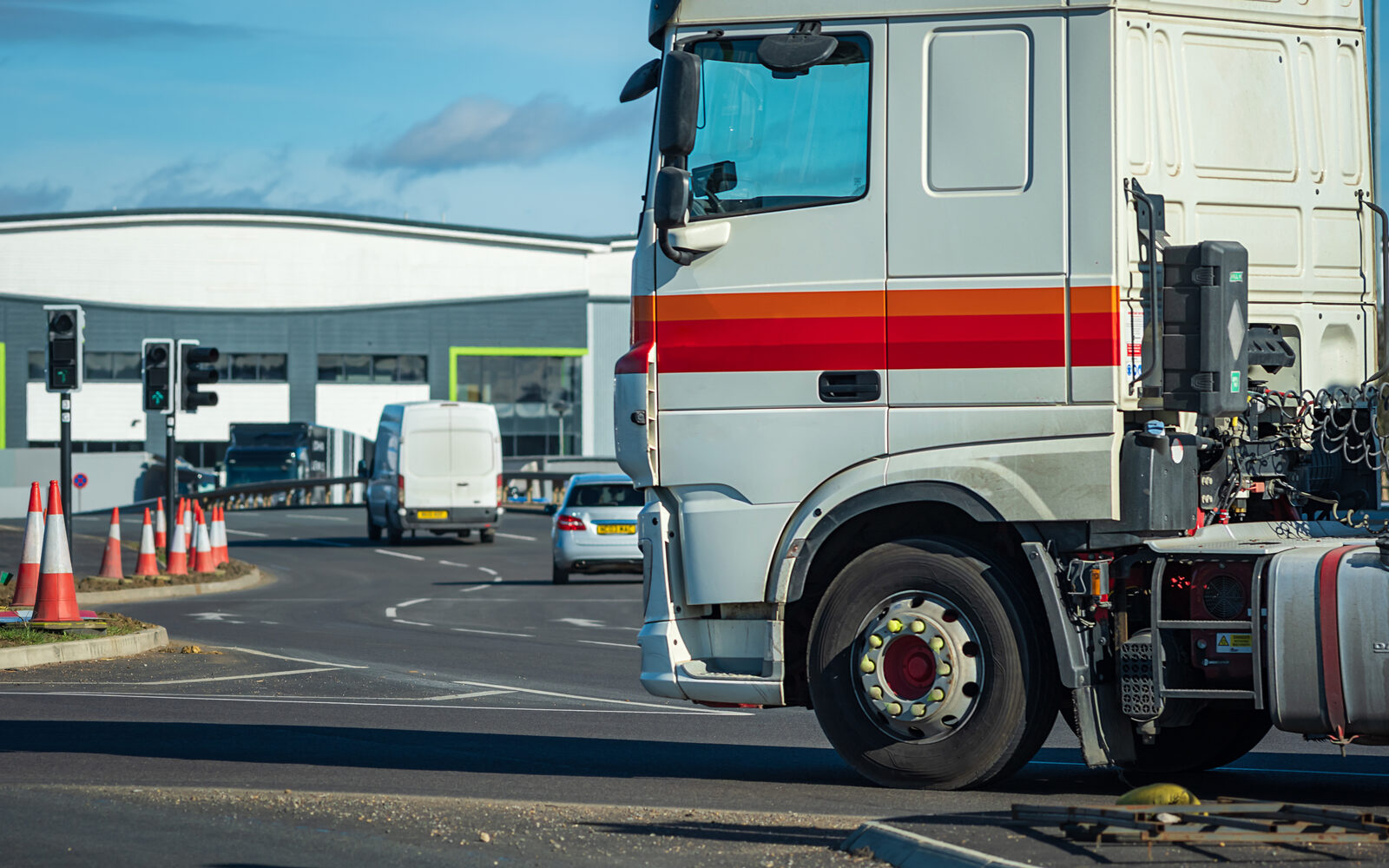
Anyone who has watched the early traffic come down the A90 towards Stonehaven knows that goods arrive quietly and on time, or they do not arrive at all. The bakery flour, the builders' merchant pallets, the chilled deliveries for the harbour cafes, the feed for the farms on the braes above the town: all of it depends on lorries that are taxed, tested, insured and lawfully on the road. Licensing is the part of that chain the public never sees, and it is precisely the part that keeps the rest of it honest.
In Scotland a haulier carrying goods for hire or reward, or running larger vehicles in the course of a trade, needs an operator's licence granted by the Traffic Commissioner for Scotland. The licence is not a formality to be filed and forgotten. It is a standing promise that the business will keep its vehicles roadworthy, employ drivers who are fit to drive, observe drivers' hours, and run from a proper operating centre with somewhere safe to park and inspect the fleet.
What the licence actually asks of an operator
There are three broad tests that sit behind any grant. The operator must be of good repute, which in plain terms means a track record the authorities can trust. There must be appropriate financial standing, because a firm that cannot afford to maintain its vehicles will, sooner or later, run unsafe ones. And there must be professional competence, usually supplied by a qualified transport manager who takes genuine day-to-day responsibility for the fleet rather than lending a name to a form.
The category of licence matters too. A standard national licence allows carriage of other people's goods within Great Britain; a standard international licence extends that reach abroad; a restricted licence covers a business carrying only its own goods. Choosing the wrong one, or quietly drifting from own-account work into haulage for hire, is one of the more common ways an otherwise careful operator falls foul of the rules. Anyone weighing up which licence type applies should review a clear guide on how to apply for an operator licence before starting the process, as correcting early mistakes can be time-consuming and costly.
The operating centre and the local dimension
Licensing has a geography to it. The operating centre named on the licence must be a real place with enough space to keep the vehicles, and the application is advertised so that neighbours can comment. In a place like Stonehaven, where housing presses close to yards and the roads through the old town were never built for articulated lorries, that local consultation is not red tape. It is how a community keeps a say over noise, early starts and heavy traffic on streets that also carry walkers down to the boardwalk.
This is why it is a mistake to think of licensing as something separate from local trade. The lorry that resupplies a Stonehaven shop is part of the same web as the harbour, the railway and the coastal road. When an operator keeps its paperwork in order, books its vehicles in for inspection, and manages its drivers' hours sensibly, the benefit shows up as deliveries that simply happen without drama.
Keeping the licence once it is granted
The harder discipline is not getting the licence but holding it. Operators must keep maintenance records, act on defect reports, and notify the Traffic Commissioner of material changes such as a new director, a change of address or a brush with the law. A roadside check that finds a bald tyre or a tachograph that has been tampered with can lead to a public inquiry, curtailment of the licence, or its loss altogether, and with it the livelihood of everyone the firm employs.
For a small Scottish haulier the lesson is steady rather than dramatic: treat the licence as a living obligation, write things down, fix faults before they fail a test, and never let a vehicle leave the yard that you would not be willing to defend at an inspection. Goods move reliably through towns like this one because, behind the scenes, somebody took that obligation seriously.